
0%

Choosing the best food and drink logistics companies in 2026 requires more than comparing delivery prices. Food and drink logistics must protect freshness, safety, and brand reputation across every mile. A delayed pallet can mean spoiled berries, empty shelves, or disappointed restaurant guests. Temperature matters. Timing matters more than many buyers expect.

This guide examines providers through practical operating evidence. Key areas include refrigerated transport, warehouse hygiene, route visibility, order accuracy, and emergency response. Strong companies should show reliable cold-chain controls, trained staff, documented audits, and clear communication. Their technology should track shipments, record temperature changes, and identify risks before products arrive. Experience with dairy, meat, beverages, frozen goods, and fresh produce also deserves attention. Local distribution knowledge can be as valuable as an impressive global network.

No provider performs perfectly in every market. Some companies offer excellent technology but limited rural coverage. Others provide careful handling but lack flexible reporting. That difference matters. This comparison therefore considers measurable performance, customer service, sustainability practices, and realistic business fit. Claims should be checked against service records, certifications, and customer references. Marketing language alone is not enough. Readers should also question how companies manage peak seasons, traffic disruptions, product recalls, and sudden demand changes. The strongest logistics partner is not always the largest. It is the provider that consistently delivers safe products, useful visibility, and dependable support when conditions become difficult.
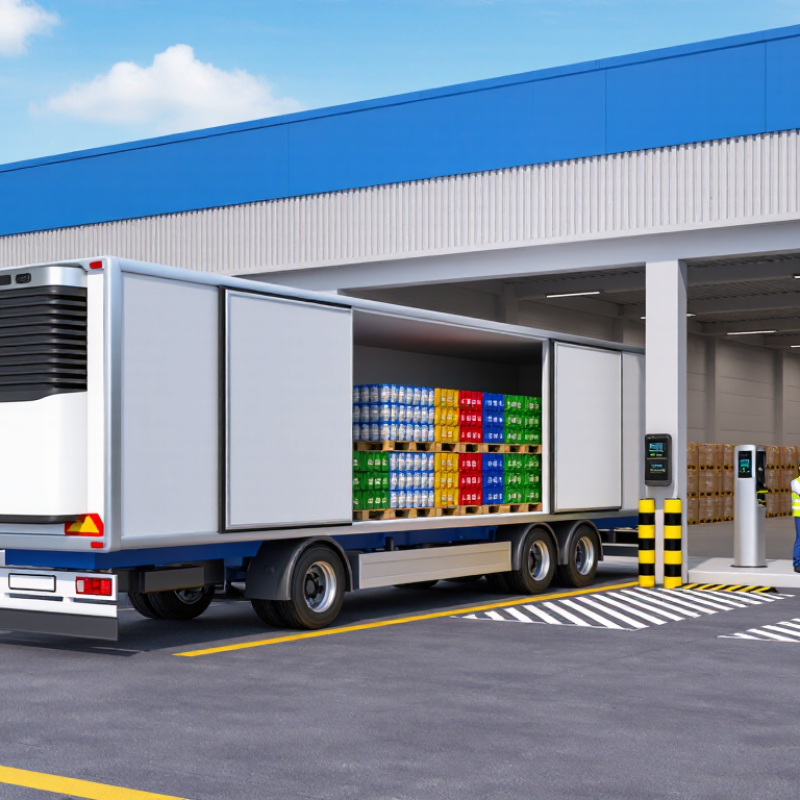
2026 Best Food and Drink Logistics Companies?

Food and Drink Logistics: Definition, Scope, and Industry Role

Food and Drink Logistics: Definition, Scope, and Industry Role

Food and drink logistics manages the movement, storage, and handling of edible products. It connects farms, processors, warehouses, retailers, restaurants, and consumers. The scope includes transport planning, temperature control, inventory tracking, packaging, order fulfillment, and returns. Fresh produce may need airflow, while frozen goods require stable temperatures throughout transit. A small delay can reduce shelf life, increase waste, or affect customer trust.

Reliable logistics depends on accurate forecasting and disciplined warehouse practices. Teams monitor loading times, vehicle conditions, product dates, and delivery records. Digital tracking can improve visibility, but technology cannot fix poor procedures. Experienced operators also prepare for traffic, equipment failure, weather changes, and sudden demand. In practice, some plans still fail. Human error remains difficult to remove completely. This industry therefore supports food availability, quality protection, cost control, and safer commercial operations.

Tips: Define temperature requirements before selecting transport. Use clear batch records and routine equipment checks. Keep backup routes for urgent deliveries. Review damaged or delayed shipments honestly. Small details matter.

Key Criteria for Evaluating Logistics Companies in 2026

Choosing the best food and drink logistics company in 2026 requires more than comparing delivery prices. Temperature control, traceability, and response speed matter equally. The World Bank’s Logistics Performance Index 2023 evaluates customs, infrastructure, tracking, and timeliness. These measures offer a useful starting point for supplier reviews.

Cold-chain capability deserves close inspection. Ask for temperature records from loading to delivery, not only warehouse screenshots. The Food and Agriculture Organization reports that 13.2% of food is lost between harvest and retail. Poor handling remains a costly weakness.

A reliable operator should show sensor accuracy, alarm procedures, backup power, and documented corrective actions. Sustainability also needs evidence.

The United Nations Environment Programme estimated 1.05 billion tonnes of food waste in 2022, across households, food service, and retail. Logistics cannot solve all waste, but better forecasting and route planning can reduce avoidable losses. Perfect data is unlikely. That should make audits more careful, not less.

Tips: Request three months of anonymized delivery data.

Check late arrivals, temperature excursions, damaged cases, and rejected loads. Test one difficult route during peak demand. Ask how quickly a human decision-maker responds.

Also review driver training, insurance, cybersecurity, and regulatory records. A low-cost bid may hide weak contingency planning.

I would question any provider promising zero failures. Resilient logistics is measured by recovery, transparency, and learning after mistakes.

Leading Food and Drink Logistics Companies by Service Type

2026 Best Food and Drink Logistics Companies?

Leading Food and Drink Logistics Companies by Service Type

The strongest logistics providers in 2026 will be judged by service type, not advertising claims. Cold-chain specialists protect chilled and frozen products with monitored temperatures, insulated vehicles, and rapid exception alerts. Ambient freight providers suit dry goods, bottled drinks, and shelf-stable ingredients. Their value depends on clean storage, accurate stock rotation, and dependable delivery windows.

Warehouse-focused companies support order accuracy, pallet control, and traceability. Last-mile specialists handle timed deliveries to restaurants, retailers, and catering sites. Some providers combine transport, storage, customs documentation, and inventory software. That can simplify operations, but it may also create one point of failure. I have seen impressive dashboards hide weak loading procedures. Site visits and performance records matter more than polished presentations.

Tips: Match the provider to your product risks. Ask for temperature logs, damage rates, delivery success figures, and contingency plans. Check how staff handle delays at a loading bay. Request references from businesses with similar volumes. Start with a controlled trial. Small tests reveal practical weaknesses early. Also review insurance terms, data security, and food-handling certifications before signing. No network is perfect. Even experienced teams should review seasonal demand and emergency capacity.

2026 Best Food and Drink Logistics Companies? - Leading Food and Drink Logistics Companies by Service Type

Service Type Common Temperature or Handling Requirement Typical Food and Drink Applications Core Logistics Activities Important Capability Common Compliance Frameworks
Refrigerated and Chilled Logistics Generally maintained above freezing and within the product-specific chilled range; many perishable foods are commonly handled at approximately 0–5°C. Fresh meat, seafood, dairy products, prepared meals, fresh produce, and chilled beverages. Temperature-controlled storage, cross-docking, refrigerated transport, delivery scheduling, and temperature recording. Continuous temperature monitoring and rapid transfer between facilities and vehicles. HACCP-based controls, ISO 22000 food safety systems, and applicable national food regulations.
Frozen Food Logistics Frozen products are commonly stored and transported at −18°C or colder, subject to product and regulatory requirements. Frozen meat, seafood, vegetables, desserts, ice cream, and frozen ready-to-eat meals. Deep-freeze warehousing, pallet storage, reefer transport, order picking, and temperature-excursion management. High-capacity freezer infrastructure, backup power, calibrated sensors, and contingency planning. HACCP, cold-chain control procedures, traceability requirements, and local frozen-food regulations.
Ambient Food and Beverage Logistics Usually handled at a clean, dry, stable room temperature; exact limits depend on the product, packaging, and label instructions. Canned foods, dry groceries, snacks, bottled water, shelf-stable drinks, grains, and packaged ingredients. Pallet storage, inventory control, transport, container unloading, case picking, and distribution-center replenishment. Humidity control, pest prevention, stock rotation, accurate inventory records, and damage reduction. HACCP principles, food-contact packaging controls, traceability, and warehouse sanitation programs.
Food and Beverage Warehousing Ambient, chilled, or frozen zones are selected according to product specifications and storage-life requirements. Raw materials, finished packaged goods, beverages, ingredients, retail products, and foodservice supplies. Receiving, put-away, batch and lot control, picking, packing, dispatch, returns, and stock rotation. FEFO rotation, warehouse management systems, barcode or RFID scanning, and lot-level traceability. BRCGS Storage and Distribution, HACCP, ISO 22000, sanitation programs, and customer audit requirements.
Food and Beverage Transportation Temperature, loading conditions, vehicle cleanliness, segregation, and transit time must match the product specification. Domestic and regional movement of chilled, frozen, ambient, bulk, packaged, and high-value food products. Full-truckload, less-than-truckload, refrigerated transport, route planning, delivery confirmation, and reverse logistics. Clean vehicles, qualified drivers, route visibility, temperature evidence, and secure loading procedures. HACCP transport controls, sanitary transportation rules, vehicle inspection procedures, and local road-freight regulations.
International Food Freight Forwarding Product-specific temperature control, customs documentation, packaging suitability, and transit-time management are required. Imported ingredients, seafood, beverages, specialty foods, agricultural products, and packaged consumer goods. Ocean, air, rail, and road coordination; customs support; shipment consolidation; documentation; and cargo tracking. Knowledge of import controls, phytosanitary documents, product traceability, and multimodal cold-chain handoffs. Importer and exporter requirements, customs rules, sanitary certificates, and destination-market food regulations.
Last-Mile and Direct-to-Consumer Delivery Short delivery windows and suitable insulated, refrigerated, frozen, or ambient packaging are used according to product needs. Meal kits, grocery orders, fresh foods, specialty beverages, subscription boxes, and prepared meals. Order fulfillment, route optimization, time-slot delivery, proof of delivery, customer communication, and returns. Accurate picking, delivery visibility, packaging validation, short dwell times, and customer-service integration. Food safety plans, sanitary delivery procedures, allergen controls, and applicable direct-sale regulations.
Value-Added Logistics Services Handling conditions follow the product’s storage category and any additional packaging or processing instructions. Retail-ready cases, promotional bundles, relabelled products, repacked goods, and foodservice orders. Repacking, kitting, labelling, display assembly, quality checks, relabelling, and customized order preparation. Controlled work instructions, allergen segregation, label verification, quality inspection, and batch traceability. HACCP plans, allergen-management procedures, labelling laws, traceability rules, and customer specifications.

Note: Temperature ranges and handling practices are general industry references. The product label, applicable legislation, and validated food-safety plan take precedence.

Technology, Sustainability, and Compliance in Food Logistics

2026 Best Food and Drink Logistics Companies?

The strongest food logistics companies combine cold-chain discipline with practical digital tools. Their systems track temperature, humidity, vehicle location, and delivery times in real time. A dashboard is useful, but trained staff still matter when sensors fail. I have seen small temperature gaps become costly quality problems. Technology does not replace judgment.

Sustainability now reaches beyond electric vehicles. Efficient route planning can reduce fuel use, empty mileage, and unnecessary refrigeration. Reusable crates may lower packaging waste, but cleaning standards must remain strict. Reliable operators document HACCP procedures, allergen controls, sanitation checks, and product traceability. They also protect shipment data and review suppliers regularly. Compliance is not a certificate on a wall. It requires evidence, corrective action, and honest reporting. Some processes remain imperfect, especially during extreme weather or sudden demand. That weakness deserves attention, not concealment.

Tips: Check temperature records before signing a contract. Ask how quickly the company responds to sensor alerts. Confirm recall procedures with a real test, not promises. Review emissions data using consistent measurement methods. Inspect loading areas when possible. Clean details matter.

2026 Best Food and Drink Logistics Companies?

Technology, Sustainability, and Compliance in Food Logistics

Global food logistics faces three measurable challenges: approximately 14% of food is lost between harvest and retail, around 19% is wasted at retail, food-service, and household stages, and food loss and waste generate an estimated 8–10% of global greenhouse-gas emissions. These benchmarks highlight the importance of cold-chain visibility, demand forecasting, waste reduction, digital traceability, and documented food-safety controls.

Sources: FAO, The State of Food and Agriculture 2019; UNEP, Food Waste Index Report 2024; FAO, Technical Platform on Food Loss and Waste.

How Businesses Can Choose the Right Logistics Partner

Choosing the right food and drink logistics partner in 2026 requires more than comparing transport prices. Fresh products need dependable temperature control, accurate inventory, and fast exception handling. The Food and Agriculture Organization estimates that 14% of food is lost between harvest and retail. That makes preventable delays expensive.

Ask potential partners for recent on-time, in-full delivery results, temperature-excursion rates, claims data, and average warehouse dwell time. Request evidence, not confident promises. The 2024 UNEP Food Waste Index Report estimates that 1.05 billion tonnes of food were wasted in 2022. Better logistics cannot solve every cause, but it can reduce avoidable spoilage. A trial shipment may reveal more than a polished presentation. That is where judgment gets difficult.

Tips: Test one route before signing a long contract. Check sensor calibration records and backup power plans. Confirm how alerts reach your team after midnight. Compare total cost, including rejected loads, emergency transport, and packaging waste. Review data security and insurance terms with qualified advisers. Choose a partner that explains failures clearly. Perfect performance is unlikely. Honest reporting matters more.

FAQS

What should businesses examine when choosing a food and drink logistics provider?

Review temperature control, traceability, delivery speed, warehouse accuracy, insurance, and data security. Price alone misleads. Ask for recent performance evidence.

How can a business evaluate cold-chain performance?

Request temperature records from loading through delivery. Check sensor calibration, alarm procedures, backup power, and corrective actions. Warehouse screenshots are insufficient. Look for gaps.

Which performance records should a provider share?

Request three months of anonymized delivery data. Review late arrivals, damaged cases, rejected loads, temperature excursions, and warehouse dwell time.

Should a business test a logistics provider before signing a contract?

Yes. Test one difficult route during peak demand. A controlled trial can expose loading delays, weak communication, and limited emergency capacity. Small tests reveal weaknesses.

How do service types affect logistics selection?

Chilled and frozen goods need monitored temperatures and rapid alerts. Dry goods need clean storage, stock rotation, and dependable delivery windows.

What questions should businesses ask about delays?

Ask who receives alerts after midnight and how quickly a human decision-maker responds. Review backup transport, staffing, and emergency procedures. Plans can fail.

Can better logistics reduce food waste?

Better forecasting, route planning, and handling can reduce avoidable spoilage. Logistics cannot solve every waste problem. Perfect data is unlikely.

How should businesses compare logistics costs?

Compare the total cost, including rejected loads, emergency transport, packaging waste, claims, and delayed deliveries. A low bid may hide weak contingency planning.

What warning signs suggest a logistics provider needs closer review?

Be cautious when a provider promises zero failures or avoids sharing detailed records. Visit operating sites and examine loading procedures. Polished dashboards can mislead. Failure transparency matters more.

Conclusion

Food and drink logistics is the coordinated movement, storage, and management of food and beverage products from producers to retailers, restaurants, and consumers. Because these goods often require controlled temperatures, careful handling, rapid delivery, and accurate inventory management, logistics providers play a vital role in preserving quality, reducing waste, and maintaining reliable supply chains. In 2026, businesses should evaluate logistics companies according to their cold-chain capabilities, delivery coverage, flexibility, tracking systems, service reliability, pricing transparency, and ability to manage seasonal demand.

The leading providers may specialize in transportation, warehousing, last-mile delivery, fulfillment, or integrated supply chain services. Technology such as real-time monitoring, automated inventory systems, route optimization, and data analytics can improve efficiency and visibility. Sustainability is also becoming increasingly important through energy-efficient facilities, optimized transportation, recyclable packaging, and waste reduction. When selecting a partner, businesses should compare operational capabilities, compliance procedures, customer support, scalability, and performance records to ensure the provider can meet product requirements and long-term growth objectives.

Ethan

Ethan

Ethan is a professional marketing specialist with a strong understanding of the company’s products, customers, and market development. With extensive experience in content strategy, product communication, and digital marketing, he is committed to presenting complex product information in a clear,......