
Buying vehicles across borders is no longer only a pricing decision. Automotive logistics determines how safely, quickly, and reliably those vehicles reach global buyers. A competitive purchase can lose value through port congestion, poor documentation, or unexpected storage fees.
A practical logistics plan connects manufacturers, freight forwarders, ports, customs brokers, and final distributors. It also considers vehicle type, destination conditions, delivery schedules, insurance coverage, and emissions requirements. For example, a shipment leaving Shanghai may face inspection delays before reaching a dealer in Rotterdam. Accurate tracking helps buyers respond before a delay becomes an expensive problem. Visibility builds confidence.
Experienced buyers know that transport data must support commercial decisions. Delivery milestones, container conditions, damage reports, and clearance records can reveal risks early. Yet logistics planning is not perfectly predictable. Weather changes, labor disruptions, and incomplete documents still create uncertainty. That reality deserves attention. A reliable partner should explain these risks clearly, rather than promise flawless delivery.
Automotive logistics matters because it protects more than cargo. It supports customer trust, inventory planning, cash flow, and long-term supplier relationships. Buyers who evaluate transport performance alongside vehicle quality can make more informed decisions. They can also compare suppliers using measurable evidence, not attractive promises. In a global market, dependable movement becomes a form of competitive advantage. Small delays matter. Better planning matters more.
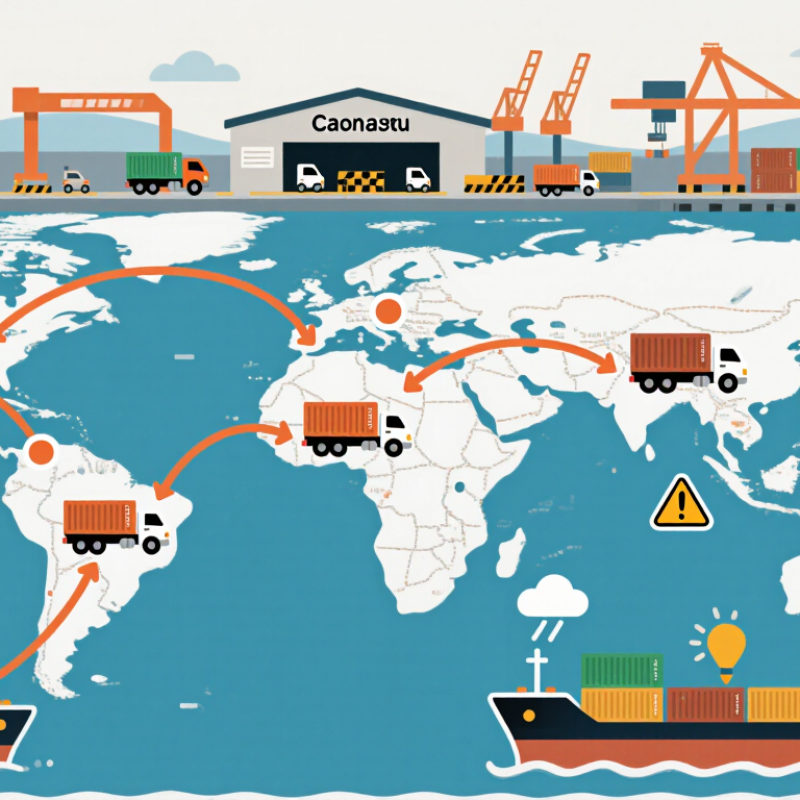
Automotive logistics covers every movement from supplier to final destination. It includes sourcing coordination, export documents, inland transport, port handling, ocean or air freight, customs clearance, warehousing, and delivery scheduling. It also manages packaging, cargo insurance, shipment tracking, and damage inspection. Timing matters. A missing invoice or incorrect product code can hold a container for days.
For global buyers, reliable logistics begins before production starts. Teams should confirm shipping terms, delivery windows, packaging standards, and required certificates with suppliers. A practical shipment may involve trucks collecting components, a warehouse checking serial numbers, and a port team loading sealed containers. Each handoff creates risk. Small errors spread. Clear records help buyers verify quantities, condition, and responsibility.
Automotive logistics also includes inventory planning and after-sales movement. Buyers may need to store parts near assembly sites or send replacements across borders. Temperature, moisture, vibration, and handling methods can affect sensitive components. Digital tracking improves visibility, but it does not replace physical inspections. A neat dashboard cannot reveal every damaged carton. Experienced teams still review exceptions manually and compare transport data with receiving reports. Even careful planning can fail when weather, port congestion, or sudden demand changes disrupt schedules. That limitation deserves honest attention, not optimistic promises.
Automotive logistics connects factories, ports, warehouses, and dealers across several countries. A vehicle may begin as thousands of parts from different regions. Engines, sensors, glass, and seats often travel separately before final assembly. Finished vehicles then move by rail, vessel, or specialized trucks.
Every transfer creates risk. Moisture can damage electronic components. Poor packaging can scratch body panels. A missing customs document may hold a shipment for days. Experienced logistics teams track part numbers, container conditions, loading times, and delivery milestones. They also check forecasts against actual production needs. Plans are rarely perfect. A port closure, labor shortage, or sudden demand change can force costly rerouting. That reality deserves more attention.
Tips: Use durable packaging, clear labels, and humidity protection for sensitive parts. Keep backup carriers and realistic buffer stock. Review tracking data daily, not only after delays appear. Confirm documents before cargo reaches the port. Small errors become expensive across borders. Local logistics partners can also provide practical knowledge about roads, terminals, and customs procedures. Their advice is useful, but it should still be verified.
Why Automotive Logistics Matters for Global Buyers?
A vehicle’s final price reflects more than its factory cost. Freight, port handling, insurance, customs processing, storage, and inland delivery all contribute. UNCTAD’s Review of Maritime Transport 2023 reports that ships carry over 80% of global merchandise trade by volume. A congested port can therefore affect thousands of vehicles at once. Small delays compound.
Speed also changes purchasing decisions. The World Bank’s 2023 Logistics Performance Index evaluates customs, infrastructure, tracking, and delivery timeliness across international markets. Its findings show that logistics quality differs sharply between countries. A buyer may receive one vehicle within days, while another waits weeks for clearance or rail space. Promised delivery dates can become fragile.
Availability depends on coordination. Vehicles need the correct shipping documents, transport capacity, inspection timing, and secure storage. A missing document may leave a finished vehicle parked near a terminal, generating daily costs without improving supply. Real-world logistics teams often reduce risk by tracking milestones, checking cut-off dates, and keeping alternative routes available. Yet forecasts remain imperfect. Weather, labor disruptions, and sudden demand can still change arrival times. That uncertainty deserves a cost buffer, not wishful thinking.
Global automotive buyers face transportation risks that extend beyond freight prices. A delayed vessel can interrupt factory production, dealer allocation, and customer delivery schedules. UNCTAD’s Review of Maritime Transport states that over 80% of global merchandise trade moves by sea. That dependence makes port congestion, weather, and route disruption commercially serious. Schedules are fragile.
UNCTAD’s 2024 shipping analysis reported major declines in transits through the Panama and Suez Canals during disruption periods. A vehicle shipment may then require rerouting, extra storage, and new insurance decisions. At the receiving port, a wet container, poor lashing, or a missing VIN record can create damage claims and customs delays. Small gaps matter. Global buyers should request milestone tracking, photo evidence, shock indicators, and clear responsibility for inspection costs.
Documentation creates another risk. Vehicle specifications, battery information, certificates, and import records must remain consistent across suppliers, forwarders, ports, and customs teams. The World Bank’s 2023 Logistics Performance Index found that goods spend an average of 44 days moving between export and import ports, representing about 60% of total shipping time. That delay exposes buyers to currency changes and inventory shortages. A low quotation may hide weak contingency planning. No dashboard eliminates uncertainty, and relying on one route still deserves reflection.
Global buyers evaluate automotive logistics providers beyond quoted freight rates. They examine origin coverage, port handling, inland delivery, and final-mile control. A credible provider explains each handoff clearly. Ask how vehicles are inspected before loading. Ask when photos, VIN scans, and exception alerts become available. Short answers are a warning. Real operating experience appears in details, such as humidity protection, battery checks, and damage reporting at the terminal.
Reliable solutions connect physical movement with usable data. Buyers should compare milestone accuracy, document controls, customs coordination, and recovery plans for missed sailings. A provider may promise visibility, but test it with a sample shipment. Can the system show a vehicle’s location, condition, and next action? Can staff respond across time zones? Measure claims handling time, delivery variance, and damage frequency over several months. One successful shipment proves little.
Cost still matters, but the lowest quote can hide storage, rework, or inspection fees. Review service terms line by line. Check insurance scope, escalation contacts, and subcontractor oversight. Speak with operational references, not only sales teams. Some weaknesses emerge during peak seasons. Providers should admit them and show corrective actions. Buyers should also question their own forecasts. Poor volume estimates can disrupt capacity planning.
Global automotive buyers evaluate logistics providers through measurable factors that protect production continuity, control landed costs, and improve supply-chain visibility. The chart shows representative benchmark targets commonly used during provider selection.
Higher scores indicate stronger operational performance. Reliable delivery, shipment visibility, documentation accuracy, and damage prevention are especially important because delays can interrupt vehicle production and increase total logistics costs.
Parts may begin in several countries. Engines, sensors, glass, and seats travel separately before assembly. Finished vehicles move by rail, vessel, or specialized trucks.
A missing customs document can hold cargo for days. Storage fees continue while the vehicle waits. Small mistakes multiply across borders.
Moisture can harm electronic components. Weak packaging may scratch body panels. Durable boxes, clear labels, and humidity protection reduce these risks.
Freight, port handling, insurance, customs processing, storage, and inland delivery all add costs. The factory price is only one part.
Ships carry most global merchandise by volume. A congested port can delay thousands of vehicles at once. Small delays compound quickly.
Customs quality, infrastructure, tracking systems, and transport capacity vary widely. One vehicle may arrive within days; another may wait weeks.
They track part numbers, container conditions, loading times, and delivery milestones. They also confirm documents before cargo reaches the port.
Not completely. Weather, labor shortages, port closures, and demand changes can disrupt plans. A realistic buffer is wiser than wishful thinking.
A blocked port or missing rail space can stop the original plan. Alternative carriers and routes provide another option, though they may cost more.
They should compare forecasts with actual production needs and review tracking data daily. Plans are rarely perfect. That deserves honest reflection.
Automotive logistics plays a vital role in connecting global buyers with vehicles, components, and related equipment. It covers the planning and coordination of transportation, warehousing, customs documentation, inventory control, and final delivery. Vehicles and parts may move through multiple regions by ocean, road, rail, or air, requiring careful coordination among suppliers, carriers, ports, and distribution centers. Efficient logistics helps control transportation and storage costs, shorten delivery times, and maintain vehicle availability in different markets.
Global buyers also face risks such as shipping delays, capacity shortages, damaged cargo, inaccurate documentation, exchange-rate changes, and unexpected disruptions at ports or borders. To reduce these challenges, buyers should evaluate logistics providers based on their international network, shipment visibility, communication, handling procedures, flexibility, compliance practices, and ability to provide reliable solutions for different vehicle and parts requirements. A well-managed logistics strategy can improve supply chain stability, support better purchasing decisions, and create long-term value in global automotive trade.