
0%

Global book buying now depends on more than editorial quality. It depends on reliable Publishing logistics across printers, warehouses, customs brokers, carriers, and retailers. A delayed container can leave a bookstore shelf empty for weeks. A damaged carton can turn a successful launch into avoidable returns.

The scale is substantial. Pitney Bowes reported 161.8 billion parcels worldwide in 2022 through its Parcel Shipping Index. The World Economic Forum’s Future of the Last-Mile Ecosystem projects that urban delivery demand may rise by 78% by 2030. It also forecasts more delivery vehicles, congestion, and emissions without better consolidation and route planning. These figures matter to global publishers. They show why buyers should assess inventory visibility, regional fulfillment, packaging strength, delivery reliability, and returns handling—not only freight prices.

Mike Shatzkin, founder of The Idea Logical Company, has described publishing as “a supply chain business.” That observation remains practical. A book moves through many hands before reaching a reader. Still, no logistics ranking is perfect. Carrier performance changes by country, season, format, and order volume. Even experienced teams sometimes overestimate forecast accuracy. Buyers should test claims against shipment records, service-level data, and references from comparable publishers.

This guide examines leading Publishing logistics solutions for global buyers. It focuses on measurable performance, operational experience, and transparent risk management. The best provider is not always the cheapest. It is the one that keeps books visible, protected, and available when demand arrives.
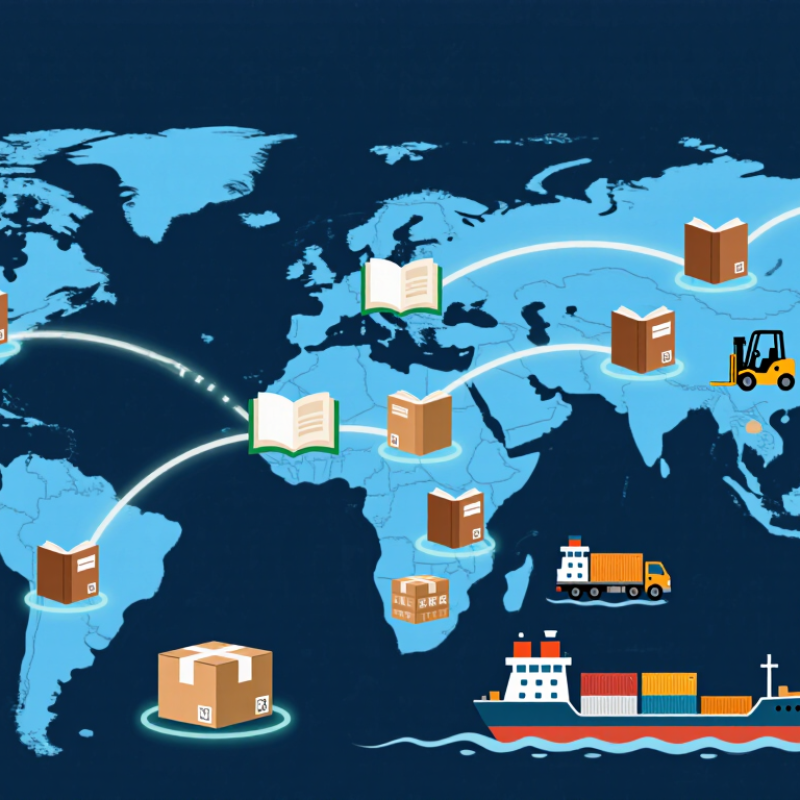
Top Publishing Logistics Solutions for Global Buyers

Global Publishing Logistics: Scope, Roles, and Core Services

Top Publishing Logistics Solutions for Global Buyers

Global Publishing Logistics: Scope, Roles, and Core Services

Global publishing logistics connects editorial production with delivery across borders. It covers printing schedules, inventory planning, warehousing, customs documentation, and final-mile distribution. For a global buyer, the goal is simple: the correct edition arrives in saleable condition, at the agreed location, and within the planned window.

Publishers, printers, freight coordinators, warehouses, and distributors each hold different responsibilities. A reliable logistics coordinator aligns these parties through shared specifications and regular status updates.

That role requires experience with book dimensions, packaging strength, shipment consolidation, and regional delivery risks. Clear ownership matters. A missing carton count can delay an entire release.

Core services

Core services include demand forecasting, purchase-order control, quality checks, freight booking, tracking, and returns handling.

Quality and documentation

Teams should inspect sample cartons before mass dispatch. They should also verify labels, invoices, and delivery addresses carefully.

Small errors become expensive when several countries are involved. Yet a perfect plan rarely exists. Even experienced teams can underestimate seasonal congestion or unexpected warehouse limits.

That assumption can fail.

Practical reviews should examine what changed, not only what went wrong. Buyers should request visible milestones, documented exceptions, and realistic delivery estimates.

Good logistics depends on evidence, communication, and the willingness to adjust.

Key Shipping Models for International Book Distribution

Global book distribution works best when buyers match shipping models to demand, margin, and delivery risk. For replenishment stock, ocean freight remains economical. UNCTAD’s 2023 Review of Maritime Transport reports that ships move over 80% of global merchandise trade by volume. A pallet of standard cartons can cross oceans cheaply, but port delays may disrupt a seasonal launch. That trade-off is easy to underestimate.

Air freight suits urgent titles, review copies, and small, high-value consignments. However, its cost per kilogram can quickly erase a distributor’s margin. A practical hybrid model uses ocean freight for forecasted demand and air freight for shortages. Direct-to-customer orders need tracked parcel delivery. Consolidated mail may reduce unit costs. The 2023 World Bank Logistics Performance Index covers 139 economies and evaluates customs, infrastructure, and timeliness. Those gaps make lane-level testing essential.

Experienced teams protect books with corner guards, moisture-resistant wrapping, and cartons that limit movement. They compare landed cost, not freight price alone. Pitney Bowes’ 2023 Parcel Shipping Index recorded 161.1 billion parcels across 13 major markets in 2022. That scale shows parcel infrastructure is powerful, but not automatically cheap. I would still pilot two routes. Forecasts fail. Buyers should review damage rates, clearance times, and delivery variance monthly. A missed seasonal window can cost more than freight savings.

Top Publishing Logistics Solutions for Global Buyers - Key Shipping Models for International Book Distribution
Shipping Model Typical Transit Time Cost Profile Inventory Position Best Use Case Key Documentation or Requirements Main Advantages Primary Limitations
Express Courier Approximately 2–7 business days for major international routes Highest cost per kilogram; pricing is strongly affected by dimensional weight and delivery destination Books are usually dispatched from a central warehouse or fulfillment location Small urgent orders, examination copies, review copies, and high-value shipments Commercial invoice, packing list, accurate product description, declared value, and recipient contact details Fast delivery, shipment tracking, door-to-door service, and simplified handling for small parcels Expensive for heavy books; customs duties, taxes, and remote-area surcharges may apply
International Air Freight Approximately 3–10 business days after cargo acceptance, excluding customs delays Higher than ocean freight but generally lower than express service for larger consignments Centralized inventory is commonly used; cargo may move through an airport consolidation hub Medium-sized replenishment orders where delivery speed is important Air waybill, commercial invoice, packing list, customs classification, and importer information Faster than ocean transport, suitable for time-sensitive launches, and practical for moderate shipment volumes Air capacity and fuel-related charges can vary; less economical for dense, low-margin shipments
Ocean Freight: Full Container Load Approximately 20–45 days port-to-port, with additional time for inland transport and customs clearance Low unit cost when the shipment efficiently uses most of a container Bulk inventory is shipped from a manufacturing or distribution location to a regional destination Large-volume seasonal orders, new-title launches, and planned retail replenishment Bill of lading, commercial invoice, packing list, customs entry, and verified container details Strong economies of scale, predictable capacity when booked early, and lower emissions per unit than air freight Long lead time, port congestion risk, minimum volume considerations, and greater working-capital exposure
Ocean Freight: Less-than-Container Load Approximately 25–55 days, depending on consolidation, transshipment, and destination handling Lower total spend than a full container for smaller consignments, but higher unit cost than full-container shipping Inventory is consolidated with shipments from other exporters at a cargo warehouse Medium-sized orders that do not justify a dedicated container House bill of lading, commercial invoice, packing list, cargo measurements, and customs documents Access to ocean freight without filling a container; flexible for mixed-title shipments Additional handling points may increase damage, delay, and cargo-sorting risk
Rail or Intermodal Freight Approximately 15–35 days on selected international corridors, excluding border and terminal delays Usually positioned between ocean and air freight, depending on route and fuel conditions Inventory moves through coordinated rail, truck, and sometimes ocean legs Land-connected trade lanes requiring a balance between speed and cost Rail consignment documents, commercial invoice, packing list, customs declarations, and border information Faster than many ocean routes, generally lower emissions than air, and suitable for palletized cargo Availability depends on corridor infrastructure, border procedures, and geopolitical conditions
Regional Fulfillment or Distributed Inventory Approximately 1–5 business days for domestic or regional delivery after stock is positioned locally Higher inventory and storage costs, but lower final-mile cost and shorter delivery distance Stock is pre-positioned in one or more warehouses close to major buyer markets Recurring demand, subscription programs, online retail orders, and service-level commitments Inbound freight records, warehouse receiving documents, inventory records, sales tax or VAT information where applicable Shorter delivery times, improved customer experience, and easier returns within the target market Requires demand forecasting; excess stock, storage fees, and cross-border inventory compliance can increase cost
Print-on-Demand with Local Fulfillment Approximately 3–10 business days, depending on production queue and destination Higher unit production cost but minimal international inventory and lower obsolescence risk Books are produced after an order is received, near the end customer where capacity exists Long-tail titles, specialized academic books, low-volume markets, and uncertain demand Digital print files, product metadata, production specifications, order data, and local tax information Reduces unsold inventory, supports broad catalogs, and limits long-distance movement of finished books Higher per-copy cost, possible format or paper limitations, and variable production capacity
Direct-to-Consumer Cross-Border Parcel Approximately 5–20 business days, depending on postal or parcel network and customs processing Moderate cost for individual orders; total landed cost depends on duties, taxes, and destination fees Inventory remains centralized until each customer order is placed International e-commerce orders with low quantities per destination Electronic customs data, commercial invoice or simplified declaration, harmonized product description, and recipient details Enables market testing without regional stock and supports one- or two-book orders Delivery times vary by country; returns, taxes, and customs communication require careful management
Palletized Wholesale Distribution Approximately 2–10 business days within a regional market after customs clearance Lower handling cost per unit for organized bulk deliveries; requires pallet, dock, and receiving coordination Inventory is delivered in consolidated pallets to distributors, retailers, libraries, or institutions Wholesale programs, library supply, educational orders, and retail distribution networks Purchase order, delivery appointment, pallet specification, packing list, invoice, and proof of delivery Efficient handling, fewer individual parcels, and improved visibility for scheduled deliveries Less flexible for small buyers; storage capacity and receiving appointments are required

Packaging, Warehousing, and Inventory Management for Print Products

For global print buyers, logistics begins with packaging, not the shipping label. Strong cartons protect books, catalogs, and promotional materials from compression and humidity. Use corner protection for hardcovers and moisture-resistant liners for long ocean routes. Packaging should fit the product closely. Excess space increases movement, damage, and freight costs.

Warehousing requires clear location codes, batch records, and regular cycle counts. Experienced teams separate finished products by title, language, size, and production date. This prevents mixed cartons during urgent releases. Inventory software improves visibility, but physical checks remain essential.

A system can report accuracy while shelves tell another story. That gap deserves attention. I have found that small counting errors often become expensive shortages later.

Tips: Photograph packed pallets before dispatch. Record carton dimensions and weights. Keep a safety stock for proven sellers, but avoid storing slow-moving editions for too long. Review inventory weekly during launch periods and monthly afterward. Use first-in, first-out rotation when paper quality or packaging conditions may change. Confirm warehouse temperature and humidity ranges with the product requirements. These practical controls support dependable delivery, clearer purchasing decisions, and fewer surprises for buyers across regions.

Customs Compliance and Cross-Border Documentation Requirements

Top Publishing Logistics Solutions for Global Buyers

Customs Compliance and Cross-Border Documentation Requirements

Global publishing shipments need more than sturdy cartons and reliable delivery dates. Customs officers review the paperwork before they review the books. A clear commercial invoice should identify the seller, buyer, currency, declared value, and transaction terms. The packing list should match every carton, quantity, and shipment reference.

Accurate product classification matters. Printed books, magazines, educational materials, and promotional inserts may receive different customs treatment in some markets. The correct HS code should be checked against the destination country’s customs guidance. Country-of-origin details must also be consistent across invoices, certificates, and shipping records. Small discrepancies can create avoidable delays.

Prepare early. Ask the importer whether a tax number, import registration, or special declaration is required. Confirm who pays duties, taxes, brokerage fees, and storage charges under the chosen Incoterm. Keep digital copies of invoices, packing lists, transport documents, and customs communications. A qualified customs broker can review unclear requirements, but the exporter remains responsible for accurate information.

My own documentation process has not been flawless. One missing carton reference once forced a manual review and delayed release. That experience changed my checklist. Now I compare the invoice against the final packing list, shipment weight, and booking details before collection. I still allow time for questions, because official interpretations can differ between ports. Clear records help buyers respond quickly when customs requests evidence.

Selecting a Reliable Global Publishing Logistics Partner

Choosing a reliable global publishing logistics partner requires more than comparing freight rates. The World Bank’s Connecting to Compete 2023 report evaluates 139 economies across customs, infrastructure, shipment quality, tracking, and delivery timeliness. These measures fit publishing closely. A partner should track each carton, confirm delivery scans, and explain delays before books reach warehouses or retailers.

Ask for evidence. Request service-level data, damage rates, average customs clearance times, and documented procedures for returns. A capable provider can handle ISBN-level inventory, mixed cartons, regional labeling, and seasonal surges. It should also offer landed-cost estimates, not vague shipping quotations. In practice, a low transport price can become expensive after storage, duties, rework, or damaged stock. That matters.

UNCTAD’s Review of Maritime Transport 2023 notes that maritime shipping carries around 80% of global merchandise trade by volume. Port disruption therefore affects publishing schedules, even when demand remains stable. Your partner should maintain alternative routes, realistic buffer times, and clear escalation contacts. No partner is perfect. A weak point may be missed during a normal month. Test the relationship with a small cross-border shipment first, then review tracking accuracy, packaging condition, invoice clarity, and response speed. I would not rely on impressive dashboards alone. Some data looks polished but arrives too late to support a decision. Reliable logistics is visible in the details: a dry carton, a correct document, and a delivery update received when it is still useful.

Typical door-to-door transit-time ranges for international publishing shipments by transport solution. Actual timing varies according to origin, destination, customs procedures, shipment volume, and seasonal capacity. Production time is excluded.

FAQS

Which shipping method suits regular international book replenishment?

Ocean freight usually offers the lowest cost for planned, palletized shipments. Port delays can still disrupt seasonal releases. Use realistic buffer time.

When is air freight a sensible option?

Air freight fits urgent titles, review copies, and small valuable consignments. Its high kilogram cost can reduce your margin quickly. Check the numbers carefully.

Can distributors combine different shipping methods?

Yes. Send forecasted demand by ocean freight and urgent shortages by air. This hybrid approach can balance cost and availability. Forecasts still fail sometimes.

How should direct-to-customer book orders be delivered?

Use tracked parcel delivery for individual orders. Consolidated mail may lower unit costs. Compare delivery visibility with the savings.

What packaging protects books during cross-border transport?

Use corner guards, moisture-resistant wrapping, and cartons that limit movement. Check cartons for dampness and crushed edges. Small details matter.

Which customs documents should accompany an international book shipment?

Prepare a commercial invoice and matching packing list. Include the seller, buyer, currency, value, quantities, and shipment reference. Keep digital copies.

Why is product classification important for book shipments?

Printed books, magazines, educational materials, and inserts may receive different customs treatment. Verify the correct classification with destination-country guidance. Do not guess.

How can buyers evaluate a global logistics partner?

Request data on damage rates, clearance times, delivery scans, returns, and seasonal capacity. Ask for landed-cost estimates, not freight prices alone. Test one small shipment first.

What should a buyer do when customs asks for clarification?

Respond with consistent invoices, packing lists, origin details, and transport records. Allow time for port-specific questions. My own checklist once missed a carton reference, and release was delayed.

Conclusion

Publishing logistics is the coordinated process of moving books and other print products from publishers to global buyers. It covers international distribution planning, freight selection, warehousing, inventory control, packaging, and order fulfillment. Depending on market needs, businesses may use air, ocean, road, rail, or multimodal shipping models to balance delivery speed, cost, and shipment volume. Careful packaging helps protect printed materials from moisture, impact, and handling damage, while organized warehousing supports accurate stock management and timely dispatch.

Successful global distribution also depends on complete customs compliance and cross-border documentation. Commercial invoices, packing lists, shipping records, product details, and other required documents should be accurate and prepared in advance to reduce delays. When selecting a Publishing logistics partner, buyers should evaluate international coverage, storage capabilities, tracking systems, communication quality, service reliability, pricing transparency, and experience with print products. A dependable partner can improve delivery efficiency, control logistics costs, and support consistent service across multiple markets.

Ethan

Ethan

Ethan is a professional marketing specialist with a strong understanding of the company’s products, customers, and market development. With extensive experience in content strategy, product communication, and digital marketing, he is committed to presenting complex product information in a clear,......